Tuesday, January 24, 2012

Chicken with Olives and Lemons

Ingredients:
2 Tsp Grated Lemon Rind
1/4 cup Fresh Lemon Juice
1 Tbsp Extra-Virgin Olive Oil
1 1/2 Tbsp Minced Fresh Garlic
4 (6-ounce) Skinless, Boneless Chicken Breast Halves (halved crosswise)
Cooking spray
2 Tsp Chopped Fresh Oregano
1/2 Tsp Chopped Fresh Rosemary
1/2 Tsp Freshly Ground Black Pepper
15 Oil-Cured Olives (pitted and sliced)
1 Large Shallot (sliced)
1 Lemon (thinly sliced)
Directions:
Preheat oven to 400°. Combine first 4 ingredients in a large zip-top plastic bag. Add chicken to bag; seal. Shake to coat chicken. Marinate 15 minutes at room temperature. Arrange chicken mixture in a broiler-safe 11 x 7–inch glass or ceramic baking dish coated with cooking spray. Sprinkle chicken evenly with oregano and the next 4 ingredients (through shallot); top with lemon slices. Bake at 400° for 20 minutes. Remove chicken from oven. Preheat broiler to HIGH. Place chicken 3 inches from broiler element; broil on HIGH for 3 minutes or until chicken is browned and done.
Recipe from Cooking Light

Bread Pudding with Salted Caramel Sauce

Ingredients:
Bread pudding-
5 cups (1/2-inch) Cubed French Bread
1 cup Evaporated Fat-Free Milk
3/4 cup 1% Low-Fat Milk
1/3 cup Granulated Sugar
2 Tbsp Bourbon
1 Tbsp Vanilla Extract
1 Tsp Ground Cinnamon
1/4 Tsp Kosher Salt
2 Large Eggs
Sauce-
3/4 cup Packed Light Brown Sugar
3 Tbsp Bourbon
1 Tbsp Unsalted Butter
6 Tbsp Half-and-Half (divided)
1 Tsp Vanilla Extract
1/8 Tsp Kosher Salt
Cooking Spray Preparation
Directions:
Preheat oven to 350°. To prepare bread pudding, arrange bread in a single layer on a baking sheet. Bake at 350° for 8 minutes or until lightly toasted. Combine evaporated milk and next 7 ingredients (through eggs) in a large bowl; stir with a whisk. Add bread cubes. Let stand 20 minutes, occasionally pressing on bread to soak up milk. To prepare sauce, combine brown sugar, 3 tablespoons bourbon, and butter in a small saucepan over medium-high heat; bring to a boil. Simmer 2 minutes or until sugar dissolves, stirring frequently. Stir in 5 tablespoons half-and-half; simmer 10 minutes or until reduced to about 1 cup. Remove pan from heat. Stir in remaining 1 tablespoon half-and-half, 1 teaspoon vanilla, and 1/8 teaspoon salt. Keep warm. Spoon half of bread mixture into a 9 x 5–inch loaf pan coated with cooking spray. Drizzle 3 tablespoons sauce over bread mixture. Spoon remaining half of bread mixture over sauce. Bake at 350° for 45 minutes or until a knife inserted in the center comes out clean. Serve warm sauce with bread pudding.
Recipe found in Cooking Light

Chocolate Chip Coffee Muffins

Ingredients:
2/3 cup Whole Milk
5 Tbsp Butter (melted)
3 Tbsp Instant Coffee Granules
1 1/2 Tsp Vanilla Extract
1 Large Egg (lightly beaten)
2 cups All-Purpose Flour
2/3 cup Sugar
1/2 cup Semisweet Chocolate Chips
2 Tsp Baking Powder
1/4 Tsp Salt
Cooking Spray
Directions:
Prehear Oven to 400 degrees. Combine first 5 ingredients. Lightly spoon flour into dry measuring cups; level with a knife. Combine flour and next 4 ingredients (through salt) in a large bowl; stir well with a whisk. Make a well in the center of the flour mixture. Add milk mixture to flour mixture; stir just until moist. Spoon batter into 12 muffin cups coated with cooking spray. Bake at 400 degrees for 18 minutes or until done. Remove muffins from pan immediately; place on a wire rack to cool.
Recipe from Cooking Light Magazine

Monday, January 23, 2012

Buyer Beware: DMAA in Your Supplements

A widely used ingredient that is found in commonly purchased nutritional supplements to aid in "leaning or cutting" as well as enhancing muscle development is considered a banned substance by many governing bodies that govern intercollegiate athletics as well as professional and international athletics. This product has a number of names that are used to disguise itself on an ingredient label. The most commonly seen names is 1,3-dimethylamylamine (DMAA), also referred to as methylhexanamine, Geranamine, and geranium oil, extract, or stems and leaves from its stores. In addition to its ban as a performance enhancing supplement ingredient it has also been increasingly associated with serious adverse events.

Here is a list of products to avoid as they contain this banned substance. This list is NOT ALL INCLUSIVE. Meaning that DMAA and its alias' are found in a great number of supplements. Some of these products are sold at stores such as Walmart and GNC...

USPlabs Jack3d (Tropical Fruit and Lemon Lime)
USPlabs OxyELITE Pro
Nutrex Research Lipo-6 Black (his and hers)
Nutrex Research Lipo-6 Black Ultra Concentrate (his and hers)
Nutrex Research Hemo-Rage Black Powder, Punch, Berry
iSatori PWR
Muscletech NeuroCore
Muscletech HydroxyStim
Fahrenheit Nutrition Lean EFX
Muscle Warfare Napalm
SNI Nitric Blast
BIORhythm SSIN Juice
MuscleMeds Code Red
SEI MethylHex 4,2
Gaspari Nutrition Spirodex

Monday, January 2, 2012

NBA's Dwayne Wade embraces healthier diet as he approaches 30


In a USA Today article, Miami Heat’s Dwayne Wade, a 9-year pro basketball player, acknowledges the importance of proper nutrition and its effect on his health and performance. Wade, almost 30 years old, has realized that his healthy diet changes are essential in keeping him in tip top shape and being successful on the court.

Some of the noteworthy changes he has made include: Opting for lean chicken and turkey breasts, pasta, and fruit instead of his previous go-to foods such as fried chicken fingers and cheeseburgers.

According to the USA Today article, Wade said “Changing the way he fuels his body has him feeling as healthy as ever.”

Wade also utilizes the expertise of the team nutritionist as he said, "The biggest thing is that I've talked with a nutritionist, who's working with the team, who understands what we need, how much we practice, what weight I need to be at, what body fat, this, this and this. Put them together, come up with a master plan, and I reap the benefits."

Read the full article on Dwayne Wade’s nutrition efforts HERE.

Source:
http://www.usatoday.com/sports/basketball/nba/heat/story/2012-01-02/Dwyane-Wade-embraces-healthier-diet-as-he-approaches-30/52331826/1?csp=34sports&utm_source=feedburner&utm_medium=feed&utm_campaign=Feed%3A+UsatodaycomSports-TopStories+%28Sports+-+Top+Stories%29

Tuesday, December 27, 2011

ACL Post-Operative Rehabilitation

ACL Hamstring Tendon Graft Post-Operative Rehabilitation

Dr. Carey Winder
Baton Rouge Orthopaedic Clinic

ACL protocol is the same as bone patellar tendon bone except for the following:
1. When performing heel slides, make sure that a towel is used to avoid activating the hamstring muscles
2. Do not perform isolated hamstring exercises for 6 weeks
3. Partial weight bearing with crutches for 4 weeks

Week 1:
- Patient begins physical therapy 3-5 days post-op
- Initial therapy treatment consists of the following:

  • EMS/bio feedback to quads

  • Quad setting for 10 minutes

  • SLRs for 5 min

  • HSS sitting in chair (30 sec hold, 5 reps)

  • Calf stretching against wall (30 sec hold, 5 reps)

  • Patellar mobilization (emphasize superior glides)

  • 90-40 open chain manual resistance

  • ROM Passive: progress as tolerated (DO NOT MANUALLY FORCE ROM!)

To increase flexion:
May perform heel slides, wall slides, or chair flexions (wall slides preferred for hamstring grafted patients)

To increase extension:
May perform HSS, calf stretches, prone extensions (use biofeedback to relax the
hamstrings or manually teach relaxation of the hamstring during prone stretch)

Weight bearing:
  • Weight bearing as tolerated with crutches.

  • Continue use of crutches until gains quad control (3-6 weeks), then go to one
    crutch before FWB with no assistive devices

Cycling:

  • May begin stationary cycling when can flex to 110 degrees (DO NOT USE STATIONARY BIKE TO INCREASE FLEXION!)

Bracing:

  • Knee immobilizer when walking with crutches
Week 2 to 6:
- Will fit with a functional brace in the office. Wear the brace when ambulating to help protect from hyperextension injuries
  • Continue above exercises

  • Begin leg press from 90 to 20 degrees both legs.

  • Progress to single leg press, stopping at 40, 60, and 90 degrees. When
    stopping hold position for 5 seconds.

Bracing:

  • We measure for a functional brace such as the DonJoy Defiance at 3-6 weeks post-op:

  • We use the brace to protect the patient from possible hyperextension injuries.
Begin proprioceptive training:
  • Utilize the K.A.T. for balance, “stork” single leg balance with knee flexed to 20-30 degrees. Addition of biofeedback to enhance the VMO contraction is helpful. Use of sports cord may be instituted as long as patient has good quad control.

  • Pool Walking Okay – make sure patient realizes to walk only and not to perform whip kick
Weeks 6-12:
  • Lateral step ups

  • Progress with proprioceptive training

  • May begin running at 8-12 weeks when ROM normalizes and pain and swelling allow.

  • Start on trampoline, progress as tolerated to cushioned surface, then hard surface.
Isokinetic test:
  • At 180 and 300 degrees per second at 12 weeks.

  • Include results in report to M.D.
3 to 6 months:
  • Continue with above and may add partial squats, forward lunges with straight bar.

  • Progress as tolerated.

  • Do not perform if patient has patellar femoral symptoms!
6 to 12 months:
  • Begin sport specific drills

  • Return to activity based on KT-1000 scores and full ROM, Biodex test, and functional tests.

NOLA Nutrition


New Orleans, a city known for its culture, music, nightlife, and of course… FOOD! Many people know New Orleans as “The Big Easy” since everything there is laid back, simple, and easy-going. But “easy” may be the last thing that comes to your mind when trying to stick with your New Year’s health and sports nutrition resolutions while visiting the Crescent City. Well, here’s a list of 8 nutrition tips and tricks to help keep your goals on track while cheering on our #1 Tigers down in New Orleans.


  1. Don’t skip breakfast. Better yet, don’t skip any meals! First of all, the food in New Orleans is way too good to pass on a meal. Secondly, and most importantly, skipping meals only leads to overeating once that hunger feeling hits you.


  1. Plan ahead. Your trip will most likely be a busy one packed with French Quarter tours, fan pep rallies, BCS festivities, Tiger tailgating, and let’s not forget about the big game! Take some time before your arrival to look at your schedule and plan when and where you will eat. Yes, you’re in the Big Easy and may want to take it day by day, but having some sort of plan will prevent you from eating whatever is closest… for example, that Hot Dog from the Lucky Dog stand on Bourbon Street!


  1. Balance out your day. New Orleans offers so many traditional foods, most of them high in fat, sugar, and calories. Don’t deprive yourself of these “must-try” Creole staples; just be sure to balance out the rest of your day. For example, if you know a big dinner awaits you, plan to eat a lighter breakfast and lunch and vice versa. This way you can stay on track with your goals as well as enjoy the city’s cuisine without any guilt.


  1. Better your breakfast foods. No doubt, breakfast is the most important meal of the day as it jump-starts your metabolism and gives you energy for the long but fun Downtown day ahead.

         Typical New Orleans breakfast foods include: high fat biscuits and gravy, cheesy grits, and hearty dishes with crab cakes, sausage, eggs, Beignets, and high calorie cheeses and hollandaise sauce.

         Choose one day to eat a healthy portion of these traditional breakfast foods. On the other days, opt for these leaner choices: whole grain toast or English muffins, oatmeal, veggie omelet, eggs or egg whites (spiced with hot sauce and Tony Chachere’s!), turkey sausage, and fresh fruit.


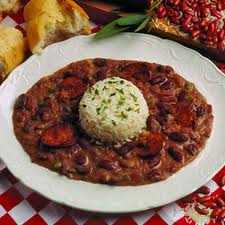
  1. Lighten your lunch. After walking around in the Quarter all day, you’re definitely going to build-up an appetite. You’re most likely to come across popular lunch foods such as Po-boys, Muffaletta’s, Jambalaya, Gumbo, Etouffee, Red Beans and Rice, and Fried Seafood dishes. Here’s some simple tricks to lighten up these foods:

         Your server may ask if you want your Po-boy “dressed”(this means they’ll add lettuce, tomato, mayo, and possibly other sauces). Instead, opt for a “naked” Po-boy (ask for lettuce and tomato minus the high fat mayo and sauce).

         Go “topless.” Save yourself some calories and carbs by eating your Po-boy or Muffaletta open-faced, without the top portion of bread.

         Instead of French fries or Onion rings, order a side salad (light on the dressing) or steamed seasoned veggies.

         When it comes to fried seafood and chicken dishes such as Po-boys, Platters, and Salads, always opt for the grilled or blackened version. Don’t worry! You won’t miss out on taste.  New Orleans cooks are always sure to spice it up just right with lots of Creole seasonings and spices.

         For dishes such as Jambalaya, Gumbo, Etouffee, and Red beans, remember to watch your portions and skip that buttery piece of cornbread.

         Ask the server for a “half portion” of rice with your Gumbo, Etouffee, and Red beans.


  1. Downsize your Dinner. Dinner time is always a treat as you will be surrounded by many other tourists and locals living it up in the fun New Orleans atmosphere. In addition to the lunch tips, try to utilize these when it’s time to order dinner:

         Read the menu. Be sure to thoroughly look over the restaurant’s menu in order to avoid some “trap food terms.” Trap foods may sound good and healthy, but may end up being the highest fat item! Try to avoid foods containing the words: crispy, crunchy, cheesy, creamy, au gratin, battered, buttery.

         Steer clear of Stuffed. You will often see “Stuffed” foods such as crab, peppers, mushrooms, fish, and more. Keep in mind “Stuffed” consists of buttery and creamy rice, breadcrumbs, and crabmeat… probably not the best choice for your waistline.

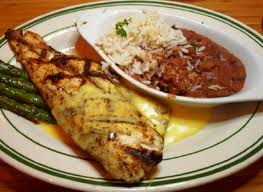
         Go for the grilled. Stick with Grilled Fish, Boiled Shrimp, and other Lean Meat dishes with sides such as seasoned steamed vegetables, red beans, greens, or boiled okra.

         Go easy on the Dough. Monitor the amount of bread rolls, cornbread, crab cakes, or other high fat appetizer foods you eat because these calories can add up very quickly.

         Remember portion control! Order a lunch size meal or split it with a friend. You can also pack half the meal in a to-go box and store it in your hotel refrigerator or ice chest to eat the next day.


  1. Divide some Dessert. You can’t leave New Orleans without having a taste of some of its traditional dessert items: Beignets from Café Du Monde, Bread Pudding, Bananas Foster, Crème Brulee, Pecan Pie, and King Cake. If you order one or two desserts for the table to share, you will automatically avoid eating the entire thing alone.


  1. Alcohol. New Orleans: The Party Capital of the World! It’s more than likely you will experience the nightlife the city has to offer.

         First off, always remember to be smart and cautious with alcohol. No athlete will benefit from drinking alcoholic beverages, so keep this in mind when you’re down in the Quarter.

         Also, be wary that the most popular French Quarter beverages (Hurricanes, Hand Grenades, and Daiquiris) are full of sugar and extremely high in calories. If you opt for any of these, go for the smallest size or split it with a friend.

         I promise you won’t miss out on any of the fun by choosing one of these lighter beverages: Bloody Mary, Light Beer, Vodka Water with lemon or lime, or Southern Comfort with fresh lime juice.

         Remember that all alcohol calories count and contribute to your daily intake, so be sure to monitor your drinks as well as the late night foods you may come across down in the Quarter.